Nov 25, 2025
The New SEO for E-Commerce (2025): How Top GEO Agencies Get Brands Recommended by ChatGPT, Claude, Gemini & Amazon Rufus
Search has changed more in the last 18 months than the last 18 years.
Consumers aren’t just Googling anymore — they’re asking generative engines questions directly, like:
“What’s the best moisturizer for oily skin that won’t pill under makeup?”
“Which magnesium supplement is least likely to cause stomach issues?”
“What mattress topper is best for hot sleepers under $150?”
“What’s the best protein powder for women avoiding bloating?”
And instead of showing links, generative engines now respond with actual product recommendations.
Welcome to the new battlefield:
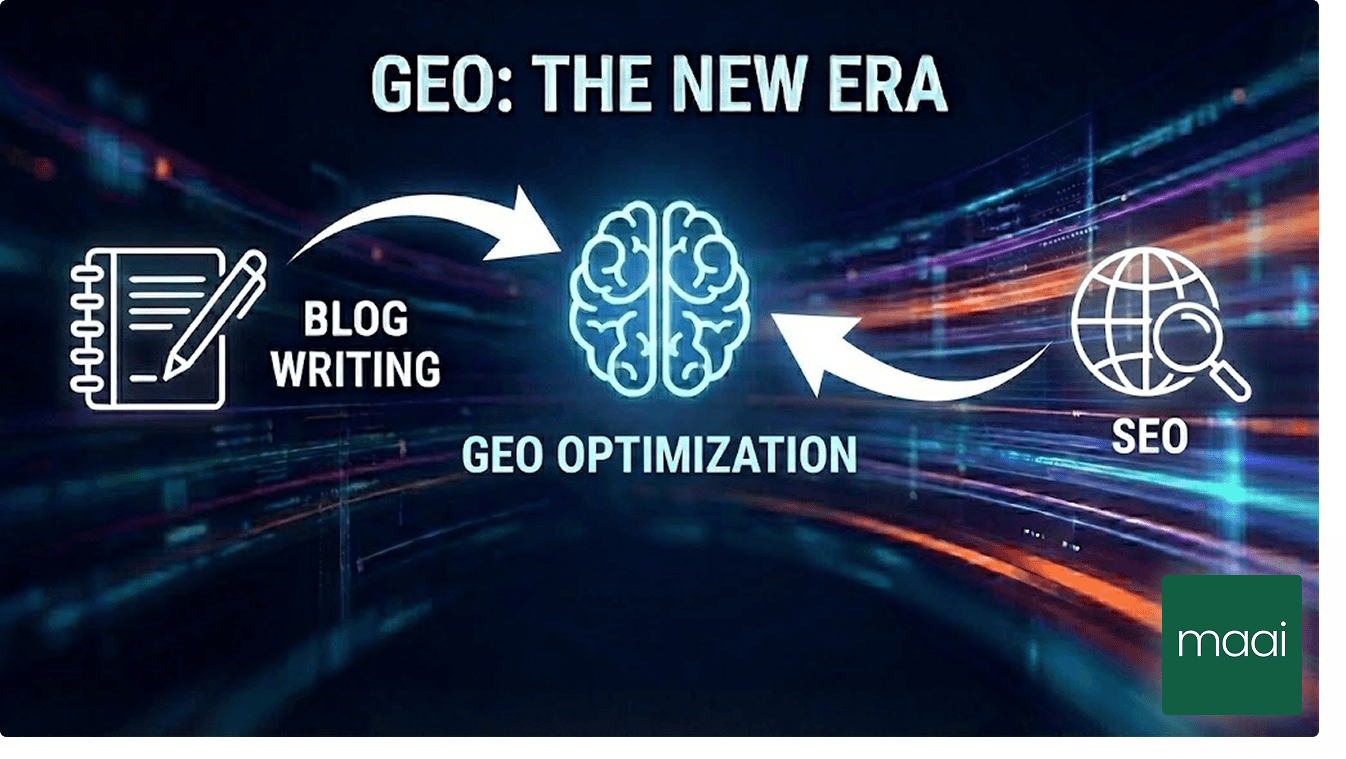
Generative Engine Optimization (GEO)
The goal is no longer to rank — it’s to become the recommended answer.
Below is the exact GEO playbook top agencies use to dominate this new landscape.
Step 1 — Full Brand & Product Immersion
Understand the Brand — and Its Customer — Inside Out
Elite GEO agencies don’t start with keywords.
They start with understanding:
Your customers’ real pains
Examples include:
irritation
bloating
acne
thinning hair
hot sleeping
frizz
nutrient deficiencies
sensitive skin
foot pain
Why your top products win
Agencies analyze:
top customer reviews
retention patterns
hero ingredients / hero features
viral TikTok content
competitive gaps
the unspoken emotional reasons customers choose you
How customers actually talk
They mine:
Amazon reviews
TikTok comments
Reddit threads
Quora questions
YouTube reviews
This language becomes the foundation for all GEO content.
Step 2 — LLM Customer Simulation
Generate Hundreds–Thousands of Predicted Buyer Questions
Top agencies build AI “customer simulators” that:
think like your ideal shopper
ask naturally worded questions
express real pain points
compare products like a human
behave like real buyers
This produces hundreds to thousands of prompts per SKU, such as:
“What’s the best vitamin C serum for sensitive skin?”
“What shampoo helps dandruff but is safe for color-treated hair?”
“What’s the cleanest protein powder for women over 40?”
“Which mattress topper helps back pain and sleeps cool?”
This becomes your GEO Question Universe — the modern replacement for keyword research.
Step 3 — Multi-Model GEO Audit
Run Every Question Across All Major LLMs
GEO agencies test questions across:
ChatGPT
Claude
Gemini
Perplexity
Amazon Rufus
Bing Copilot
For each question, they record:
whether your product appears
where it ranks
how often it’s recommended
which competitor shows instead
what claims the AI repeats
what sources the AI cites
what the engine “believes” about your category
The result is your GEO Audit Score, showing:
Your visibility across all engines
How often you’re the #1 recommendation
Where you lose to competitors
Where you’re invisible
What category narratives help or hurt you
This is the new Page 1.
Not Google rankings — AI recommendations.
Step 4 — Root-Cause Analysis
Identify Why You’re Not Being Recommended Yet
Here’s how agencies reverse-engineer the problem:
A. Analyze the sources LLMs cite instead of your brand
Examples include:
Healthline
Wirecutter
Amazon review patterns
Sephora/Ulta reviews
Reddit consensus
ingredient science blogs
product comparison articles
These sources heavily shape AI recommendations.
B. Detect what your content is missing
Most product pages aren’t detailed enough to be cited.
Agencies diagnose missing:
clear problem → solution statements
ingredient/function explanations
clinical evidence
comparison tables
structured FAQs
explicit claims
BLUF statements
scientific citations
numerical detail
safety / usage guidance
These gaps explain why AIs trust competitors over you.
C. Identify “weak intent clusters”
For example, you may appear for:
“best moisturizer for dry skin”
…but disappear for:
“moisturizer that doesn’t pill under makeup”
“moisturizer under $20”
“pregnancy-safe moisturizer”
“moisturizer for oily AND sensitive skin”
These become your GEO content roadmap.
Step 5 — GEO Optimization
Reversal Strategy + Off-Site Signal Calibration
Once gaps are clear, agencies execute the optimization phase.
1. Create High-Information Product & Category Content
Agencies rebuild content to be:
factual
structured
scientific
transparent
rich in comparison
optimized for both humans & AIs
This includes:
ingredient science deep dives
category guides
“best for X” breakdowns
side-by-side tables
clinical claims
structured FAQs
alternative comparisons
This becomes “source material” for generative engines.
2. The Reversal Strategy
The Core Mechanism Behind GEO
This is how agencies directly influence what AIs recommend.
How it works:
Identify the exact URLs the AI cites for competitor recommendations
Recreate the topic with a superior, more complete version
Add information gain (more detail, clarity, science, specificity)
Strengthen internal linking
Ensure recency, schema, factual density
Essentially you tell the AI:
“You cited Source A — here’s Source B (ours) that is more complete, accurate, and reliable.”
LLMs overwhelmingly reward the better source.
3. Off-Site GEO Calibration
AIs Trust the Entire Internet — Not Just Your Site
Generative engines use signals from:
Amazon reviews
Sephora & Ulta
Google Shopping
Healthline & Wirecutter
Reddit
Marketplace accuracy (Walmart, Target)
Influencer science content
Agencies optimize your entire AI trust ecosystem by:
improving review sentiment & quantity
correcting marketplace misinformation
distributing accurate content
coordinating influencer explainer posts
standardizing product data
updating schema
eliminating contradictory claims
When every authority node says the same thing,
the LLM mirrors that truth in its answer.
BLUF — A Critical GEO Concept
Bottom Line Up Front (For Your Marketing Team)
BLUF = Give the AI the answer in the first sentence — ideally within 20 words.
AIs scan for:
clear statements
classification (“best for X”)
differentiators
claims
factual clarity
❌ What brands usually write:
“Crafted with nature-inspired botanicals, our moisturizer elevates your hydration journey…”
AIs don’t know what that means.
What BLUF content looks like:
“This moisturizer is best for oily and sensitive skin because it uses niacinamide and doesn’t pill under makeup.”
This is:
clear
factual
comparative
scannable
AI-ready
BLUF is how AIs decide what to recommend.
GEO Best Practices (E-Commerce Edition)
BLUF first — answer in the first sentence
Comparison is king — LLMs love tables
Information gain wins — more detail = more trust
Cite real sources — external references matter
Fix off-site signals — Amazon, Reddit, & Healthline carry weight
Consistency across the web is essential
Help the AI help you — answer the user question directly
The Bottom Line
SEO isn’t dead —
it has evolved into something far more honest.
Generative engines reward brands that:
explain clearly
back claims with data
offer transparent comparisons
teach the shopper
align messages across the web
create AI-ready, citation-worthy content
Brands that master GEO won’t just “rank.”
They’ll own their category.
Because in the era of generative search…
the brand with the clearest, most factual answer wins.